Choosing professional interstate movers is about coordination, timing, and control. Relocating across state lines involves more variables than local work, so preparation and structure matter far more than speed alone.
Our Interstate Movers – Trusted Long Distance Moving Company

Working with experienced long distance movers means every stage is planned before the first item is handled. Inventory, access, transport conditions, and delivery timing are all considered in advance.
Why Choose Our Interstate Movers
A reliable team should provide:
- Licensed and insured
- Flat-rate pricing
- Nationwide coverage
- Experienced long distance movers
- No hidden fees
These fundamentals create consistency throughout the process.
Customer Reviews & Reputation
Clients selecting an interstate moving company usually focus on reliability over marketing. Reviews often highlight:
- clear estimates
- careful handling
- predictable delivery windows
- organised execution
Strong interstate movers build trust through repeatable results rather than promises.
Interstate Moving Services – Full-Service Long Distance Movers
Professional interstate moving services simplify relocation by combining all stages into one coordinated system.
What’s Included in Interstate Moving Services
Typical interstate moving services include:
- Packing & unpacking
- Loading & unloading
- Transportation
- Furniture protection
- Optional storage
This structure helps avoid gaps between stages.
Full Service Long Distance Movers
Working with full service long distance movers removes the need to manage separate contractors. Everything is handled by one team, from preparation to final placement.
Clients searching for a long distance moving company near me often choose this option to reduce complexity and save time.
Interstate Moving Prices – Cost of Interstate Moving
Understanding the cost of interstate moving helps with planning and budgeting.
| Service |
Typical Rate |
Notes |
| Long haul relocation |
$2,000–$8,000 |
Based on route and inventory |
| Flat-rate service |
Custom quote |
Inventory-based |
| Packing |
$300–$1,500 |
Full or partial |
| Storage |
$50–$300/month |
Secure facilities |
Actual interstate moving prices depend on the specifics of each relocation.
What Affects Interstate Moving Prices
Key factors include:
- Route length
- Inventory size
- Packing requirements
- Storage needs
Clients reviewing interstate moving companies should evaluate all these elements together.
Interstate Moving Quotes – Flat Rate & Transparent Pricing
Clear interstate moving quotes are based on accurate information and realistic planning.
How Interstate Moving Quotes Are Calculate
Estimates are typically based on:
- Inventory list
- Route details
- Additional services
A trustworthy interstate moving company near me will avoid vague pricing and provide structured estimates.
No Hidden Fees Policy
Reliable interstate movers near me explain all costs upfront. Transparency is essential for avoiding unexpected charges.
Long Distance Moving and Storage Solutions
Storage plays an important role when timing does not align perfectly between pickup and delivery.
Short-Term Storage Options
Short-term solutions are useful for:
- delayed access
- renovation timelines
- temporary relocation gaps
Long Distance Movers With Storage
Many clients choose long distance movers with storage to keep everything within one system.
This approach supports:
- phased relocation
- temporary holding
- flexible delivery scheduling
Integrated long distance moving and storage helps maintain organisation throughout the process.
Rental Trucks for Moving Interstate – Alternative Option
Some clients consider handling relocation independently.
Moving Truck Rental for Long Distance
Using a moving truck rental for long distance may reduce upfront costs but requires full responsibility for packing, handling, and driving.
Options such as rental trucks for moving interstate are typically chosen for smaller projects.
DIY Moving vs Hiring Interstate Movers
| Option |
Advantages |
Challenges |
| DIY relocation |
Lower cost |
Time, effort, risk |
| Professional service |
Structured process |
Higher upfront cost |
| Rental truck |
Flexibility |
Requires planning |
For many cases, experienced long distance movers provide better efficiency.
Why Choose Our Interstate Moving Company
Choosing a dependable interstate moving company depends on execution, not promises.
Key advantages include:
- Reliable interstate movers
- Experienced long distance movers
- Fully licensed company
- Safe transportation
Advanced Planning Framework
Large relocations benefit from structured preparation.
Initial phase:
- identify all items
- separate valuables
- define priorities
Preparation phase:
- organise belongings
- prepare materials
- confirm logistics
Execution phase:
- follow structured order
- maintain communication
- track inventory
Detailed Inventory Strategy
Effective tracking includes:
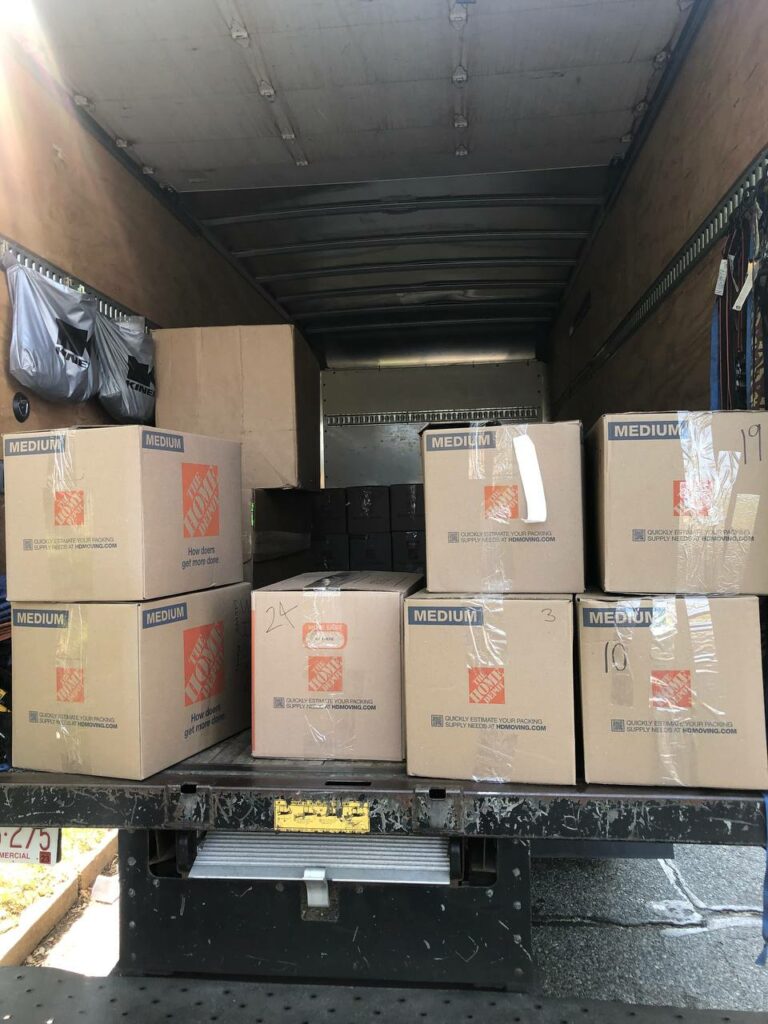
- numbering boxes
- listing contents
- marking fragile items
- separating essentials
This improves control and efficiency.
Handling Large and Complex Items
Preparation steps:
- disassemble when possible
- protect surfaces
- secure small parts
- measure access points
Access and Property Considerations
Key factors:
- building rules
- stairways and elevators
- parking access
- entry clearance
Timing and Scheduling Considerations
Helpful strategies:
- avoid peak hours
- allow buffer time
- confirm schedules
- remain flexible
Communication and Coordination
Important to confirm:
- contacts
- access instructions
- special requirements
- delivery expectations
Preparing the Destination
Before arrival:
- clear pathways
- plan layout
- ensure access
- define priorities
Unpacking and Setup Strategy
Start with:
- essential rooms
- large items
- daily-use belongings
Common Mistakes to Avoid
Typical issues:
- poor organisation
- missing labels
- rushed preparation
- access miscalculations
Operational Efficiency Insights
Efficiency depends on sequencing rather than speed. A well-structured workflow prevents overlap between stages and reduces unnecessary handling.
Key principles:
- complete one stage before starting another
- avoid repeated handling
- maintain clear zones for different categories
- ensure consistent supervision
Load Distribution Strategy
Proper load distribution protects items and improves transport stability.
Guidelines:
- heavier items placed first
- balanced weight across space
- fragile items secured separately
- gaps filled to prevent shifting
Space Optimization Techniques
Efficient use of space reduces volume and improves handling.
Methods include:
- stacking by durability
- using vertical space effectively
- grouping similar items
- avoiding empty gaps
Safety and Handling Standards
Handling standards directly affect condition upon arrival.
Best practices:
- controlled lifting techniques
- use of protective materials
- avoiding sharp pressure points
- consistent supervision
Workflow Coordination
Smooth execution depends on coordination between stages.
Important elements:
- clear role distribution
- timing alignment
- consistent communication
- quick problem response
Final Quality Check Process
Before completion, a final check ensures accuracy.
Checklist:
- inventory verification
-
item condition review
- placement confirmation
- documentation completion
Documentation and Label Control
Clear documentation helps prevent confusion before pickup, during transport, and after arrival. A simple written record often saves time later, especially when the shipment includes office equipment, family heirlooms, electronics, or boxed archive material.
A practical system can include:
- one master inventory sheet
- room-by-room box numbering
- colour labels for fragile categories
- separate notation for priority cartons
- a short list of items that need immediate access on day one
This kind of structure helps everyone involved understand what belongs where. It also reduces the risk of delay when unloading begins, because the crew can follow a logical order instead of stopping to ask where each carton should go.
For larger households, it helps to separate daily-use belongings from decorative or seasonal items. For office projects, departments can be marked individually so workstations, files, and shared equipment do not get mixed together after arrival.
Room-by-Room Arrival Plan
A practical arrival plan makes the first day much easier. Without one, boxes often end up in the wrong areas, furniture may need to be repositioned later, and setup takes longer than necessary.
A better approach is to decide in advance:
- which room should be completed first
- where large furniture should go
- which cartons contain immediate essentials
- which areas can wait until later
Bedrooms, kitchens, and work areas usually come first. Decorative items, occasional-use storage, and surplus furniture can be handled after the key spaces are functional.
This room-by-room method also helps reduce clutter. Instead of opening everything at once, the client can focus on making the property workable first, then continue in stages. That creates a calmer transition and avoids the feeling of having the whole place buried in open cartons.
Readiness Check for Households and Offices
A final readiness review is often the difference between a smooth day and a chaotic one. Even when the major work is complete, small oversights can create delays.
Useful checks include:
- confirm all keys, codes, and access details
- keep chargers, documents, medication, and valuables separate
- verify that furniture paths are clear
- disconnect and secure electronics in advance
- check that water, power, and internet setup are scheduled where needed
For office transitions, it also helps to confirm desk placement plans, shared equipment locations, and who will be present to direct setup. For households, it is useful to prepare a first-night bag with clothes, toiletries, and basic supplies so essential items are easy to find.
These small preparations do not take long, but they make the entire process far more manageable.
Born to Move provides services in other cities
Areas We Serve
Our team operates nationwide, assisting clients across multiple regions and routes. Whether relocating between neighbouring states or across longer routes, structured planning ensures consistency.